
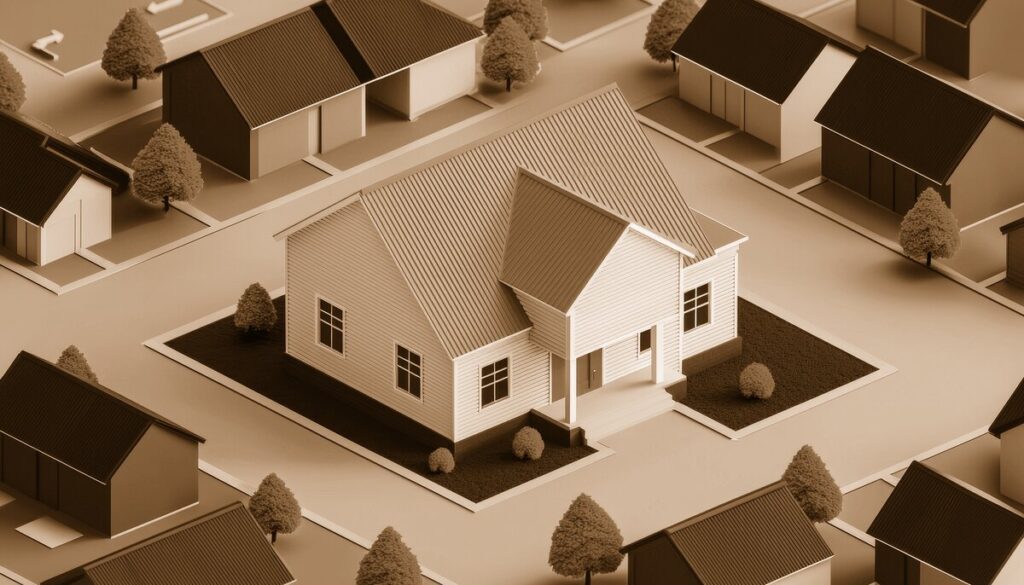
Westside is more than just a name on a map—it’s a neighborhood where generations have built lives, friendships, and a tradition of pride, nestled quietly in central Omaha. Residents fondly recall tree-lined streets, the sound of children playing in expansive parks, and schools that feel like the backbone of the community. But how did Westside come to be, and what keeps its spirit thriving? Join me as we journey through the history, landmarks, and evolution of one of Omaha’s most cherished neighborhoods.
Origins: From Farmland to Flourishing Suburb
In the early 20th century, what we now call Westside was on Omaha’s far western edge—hence the name “Westside.” Back then, this area was mostly farmland dotted with country estates. As Omaha began to expand beyond its original core near Downtown and Midtown, families were lured west by promises of cleaner air, bigger yards, and the dream of suburban tranquility. The neighborhoods roughly bordered today by 78th Street to 96th Street, and from Dodge south past Pacific to Center, started coming alive with modest homes and wide, welcoming roads.
Development of Westside picked up dramatically after World War II, as returning veterans looked for places to settle down. Innovative platting designs avoided the rigid grids seen elsewhere, creating gentle curves and cul-de-sacs. This gave Westside its distinct neighborhood vibe—quiet, quaint, and neighborly.
Key Historical Milestones
Westside’s defining milestones are closely tied to its commitment to education and community enrichment:
- 1947—Birth of Westside (District 66): The creation of Westside Community Schools, also called District 66, marked a turning point. The school district provided a strong sense of identity that transcended municipal boundaries. Investing in modern education facilities and innovative programs, Westside schools quickly became a draw for new families.
- 1952—Westside High School Opens: The opening of Westside High School at 87th and Pacific offered a state-of-the-art campus (for its time) featuring a progressive approach to education. The school, set at 8701 Pacific Street, became a community hub for sports, performing arts, and civic gatherings.
- Mid-20th Century—Residential Boom: The 1950s and 60s saw a flurry of residential development as Omaha’s boundaries ballooned westward. Many of the classic ranch-style and split-level homes that define Westside’s character were built during this era.
- Recent Decades—Modernization with Heritage: In the 21st century, Westside has balanced maintaining its traditional charm while embracing thoughtful modernization. Many homes are being lovingly renovated or replaced, and public spaces have been updated, but the neighborhood’s friendly spirit endures.
Notable Landmarks and Institutions
A stroll through Westside reveals stories at every corner. Some landmarks hold special places in residents’ hearts:
- Westside High School—More than just a school, it’s a launching pad for traditions like the Warrior Marching Band and state-winning athletic teams.
- Westbrook Tower (Located at 2121 S. 87th Ave.)—This high-rise apartment building is a mid-century architectural icon in Omaha, representing the neighborhood’s embrace of modernity during the 1960s.
- Countryside Community Church—Originally founded in the 1950s at 8787 Pacific St., the church has moved to a new campus but its presence remains symbolic of Westside’s focus on faith and service.
- Swanson Elementary (8601 Harney St.) and Hillside Elementary (7500 Western Ave.)—Local schools that have nurtured generations, setting high bar for academic excellence.
- Prairie Lane Park—A cherished green space at 11015 Hascall St. for summer picnics, family baseball games, and quiet walks.
Evolution Through The Decades
The 1950s–1970s: The Golden Age
If you ask someone who grew up in Westside during the postwar boom, they’ll talk about the newness—a sense that the area was Omaha’s bright future. From swimming lessons at the neighborhood pool to Saturday dances in school gyms, Westside in these decades became synonymous with the American Dream. Families planted deep roots, and civic associations kept the area tidy and tightly knit.
1980s–2000s: Change and Stability
As Omaha grew, so did Westside’s diversity and vibrancy. The school district expanded its programs, adding new advanced courses and extracurriculars. While some areas experienced redevelopment, much of Westside retained its classic mid-century homes and mature tree canopy, helping the area stay stable and desirable even as tastes changed.
2010s–Today: Blending History and Progress
In the 21st century, Westside remains a coveted address for families seeking excellent schools and a close-knit community. A new generation is modernizing homes, but they’re also cherishing traditions—like block parties and school events. Investment in infrastructure, such as updated parks and safer streets, means Westside is prepared to welcome future generations while retaining the neighborly warmth that has always defined it.
Streets, Parks, and Community Events
- Pacific Street—not just a thoroughfare but the main artery along which many of Westside's most beloved institutions lie.
- Lockwood Lane and Walnut Street—neighborhoods graced by unique, architect-designed mid-century homes and lush green yards.
- Armbrust Park—just west of the neighborhood, a favorite spot for hiking, creek exploration, and weekend soccer games.
- Annual Events: Whether it’s the Westside High tailgate, school carnivals, or block-wide garage sales, neighborhood traditions keep that friendly, small-town feeling alive year-round.
What Makes Westside Special?
Ask any longtime neighbor, and you’ll hear the same refrain: Westside is a community, not just a collection of houses. Generations of Warriors (as Westside High students are known) come back to raise their own families here. You’ll find neighbors shoveling each other's walks in winter, sharing tomatoes from summer gardens, or cheering together under Friday night lights.
The neighborhood’s mix of stability and progress, coupled with a focus on education, is rare in today’s fast-changing world. And while property lines may shift and buildings change, the welcoming spirit of Westside—rooted in its rich history—remains steadfast.
Whether you’re new to Omaha or a lifelong resident, the story of Westside is a testament to the power of tradition, the importance of community, and the promise of generations yet to come.